
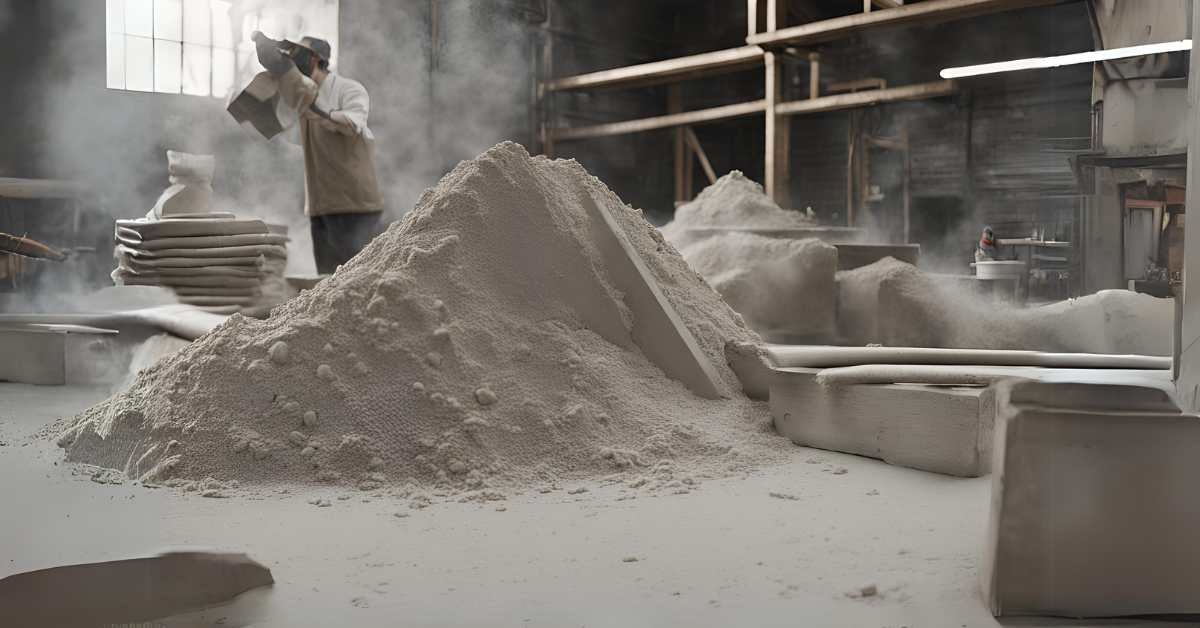
The Evolution of Portland Cement: From Discovery to Modern Day Applications
Introduction
Did you know that Portland cement, a cornerstone of modern construction, was invented nearly 200 years ago? From its discovery by Joseph Aspdin to its widespread use today, Portland cement has transformed the building industry. This blog post delves into its fascinating history, production advancements, and contemporary applications.
The Discovery and Early Production of Cement
The Birth of Portland Cement
In 1824, Joseph Aspdin, a humble bricklayer from Leeds, England, revolutionized the construction industry by patenting a new type of cement. This product, known as Portland cement, was created by burning finely ground limestone and clay together. The result was a durable material that set underwater, akin to the prestigious Portland stone from the Isle of Portland.
In 1824, Joseph Aspdin, a humble bricklayer from Leeds, England, revolutionized the construction industry by patenting a new type of cement.
Sed ut perspiciatis unde omnis iste natus error sit voluptatem accusantium doloremque laudantium, totam rem aperiam, eaque ipsa quae ab illo inventore veritatis et quasi architecto beatae vitae dicta sunt explicabo.

Modern cement plant
The Expansion and Modern Production of Cement
Revolutionizing Construction
As the 19th century progressed, the methods for producing Portland cement improved dramatically. The introduction of rotary kilns in the 1880s enabled more efficient and consistent production. Today, the process involves heating a precise blend of limestone, clay, and sand in rotary kilns to create clinker, which is then ground into a fine powder and mixed with gypsum.
Modern Applications of Portland Cement
Versatility in Construction
Portland cement is integral to countless construction projects worldwide. Here are some of its most common applications:
- Residential Construction: Foundations, walls, driveways, patios
- Commercial and Industrial Buildings: Office buildings, factories, warehouses
- Infrastructure Projects: Bridges, highways, tunnels, dams
- Concrete Products: Concrete blocks, pipes, precast structures
- Marine Structures: Ports, harbors, offshore platforms

Cement use in modern times
The Global Impact of Portland Cement
Building the Modern World
Portland cement has enabled the development of modern infrastructure and cities. However, its production is a significant source of CO2 emissions. Efforts to reduce the environmental impact include using supplementary cementitious materials and developing new technologies.
Future of Portland Cement
Towards Sustainable Construction
Innovations in the industry aim to create more sustainable cement production methods. These include using alternative materials like fly ash and slag, as well as implementing carbon capture technologies.
Conclusion
From Joseph Aspdin’s groundbreaking invention to its role in modern construction, Portland cement has had an indelible impact on our built environment. As we strive for sustainability, the industry continues to innovate, ensuring that Portland cement remains a cornerstone of construction for generations to come.
For more insights into the world of construction materials and sustainable building practices, stay tuned to our blog.
0 Comments